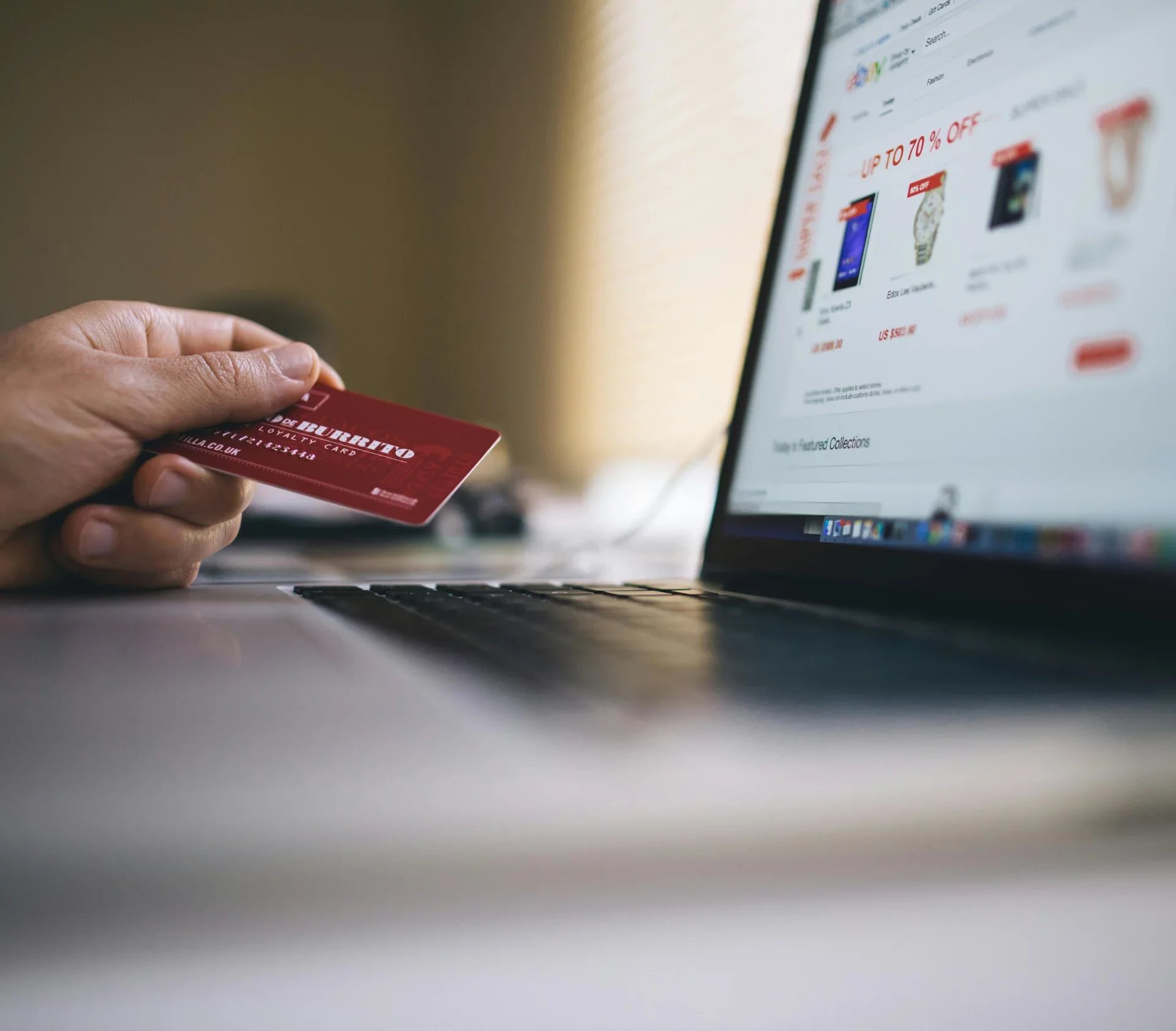
VAT fraud is becoming an alarming concern in the digital economy. While governments across the globe are addressing this issue with new rules and regulations to reduce VAT gap and revenue loss, businesses may find themselves involved in fraud without even knowing it. Beyond direct financial losses and potential reputational damage, these businesses may also face tax audits, penalties, and interest if they unknowingly participate in VAT fraud.
Therefore, in addition to the government taking necessary steps to ensure compliance, businesses, particularly online sellers and marketplaces, must understand where VAT fraud risks arise in their day-to-day business operations and what they can do to reduce them.
VAT Fraud Scenarios in Online Sales
VAT fraud in e-commerce typically emerges through a few recurring scenarios. One of the most common cases is the missing trader fraud, where goods are sold across borders and VAT is collected but never remitted to the Tax Authorities. In online sales, this might happen when a fraudulent seller registers on the platform, makes taxable sales, and then disappears before VAT liabilities are settled.
For example, a shell company, or the missing trader in one country buys electronic products from an international supplier. Once it receives the products, the trader sells them to local consumers through an online marketplace. Instead of paying the collected VAT, the trader vanishes with the funds, shuts down operations, and transfers the profits to an offshore account. This leaves the online marketplace exposed to VAT liabilities even in cases where it generally would not be liable.
However, the missing trader fraud can be even more complex than in the presented scenario, and may include a chain of fake companies and chains of transactions across multiple countries, where goods are repeatedly sold and resold, with VAT being reclaimed fraudulently at different stages. In addition to exploiting online marketplaces, these schemes may also leave online sellers without their goods, or, in some cases, exposed to tax audits and criminal charges for involvement in fraud schemes.
Fake or invalid VAT identification numbers are another example of VAT fraud. In this scenario, sellers provide incorrect VAT details during onboarding, allowing them to appear legitimate. The result is incorrect VAT treatment on invoices and downstream compliance issues for the platform.
The scale of this problem is significant. Amazon reported that around GBP 3.2 billion worth of annual sales on UK online marketplaces may be linked to bad actors who deliberately avoid paying VAT. The most common scenarios include sellers misrepresenting their status, such as falsely claiming to be established in the UK, to bypass VAT registration and collection obligations that would normally apply.
Key Risk Areas for Online Sellers
Online sellers engaged in cross-border trade are the most vulnerable to VAT fraud. The main risk factors are different VAT rules between jurisdictions, which require determining the place of supply. Errors in classification can unintentionally create compliance gaps that resemble fraud from the perspective of tax authorities. Also, if online sellers are not aware of these different rules, fraudulent suppliers or customers may exploit this to deceive sellers into believing compliance requirements are met, when in fact they are not.
For online marketplaces, the third-party seller onboarding is one of the most important risks. Marketplaces that allow external online sellers to join without robust verification procedures may inadvertently facilitate fraudulent activity. Some of the most notable oversights include weak identity checks or insufficient VAT number validation.
Dropshipping and fulfillment models add another level of complexity as sellers do not physically handle goods, the supply chain is fragmented, and responsibilities are divided among several actors in the chain. This increases the likelihood of VAT fraud.
Those engaged in the supply of digital goods and services are also exposed to VAT fraud, as customers or clients may misrepresent themselves, meaning presenting themselves as businesses rather than individuals, leading the seller to believe that the reverse charge mechanism applies and that no VAT liabilities exist on their part.
How to Reduce VAT Fraud Risk
Reducing VAT fraud risk requires a combination of procedural controls, the use of the right technology, and continuous monitoring. Some of the basic steps for online sellers and marketplaces include conducting due diligence before entering any business transaction, particularly with unknown parties, and paying close attention to several risk indicators.
Due Diligence for Online Sellers and Marketplaces
Due diligence refers to steps that online sellers and marketplaces should take to ensure that they are working with legitimate business partners or clients. To achieve this, online businesses may request a copy of the Certificate of Incorporation, and VAT certificate, verify VAT registration with the relevant authorities, obtain signed letters of introduction on headed paper, obtain a credit check, and other background checks, and make personal contact with a senior officer of the prospective supplier, or obtain the supplier’s bank details.
Examining Risk Indicators
According to Irish Tax and Customs, risk indicators can be divided into three groups: legitimacy of the supplier or third-party seller, commercial viability of the transactions, and viability of the goods or services. Some of the most critical matters that online sellers and marketplaces should determine are the trade history of included parties, whether there is anything unusual about the method used in negotiating prices, whether the financing arrangements for the goods or services are organized normally for the business sector, and whether those products have previously been supplied to them.
Final Thoughts
The list of actions outlined above to reduce the risk of being involved in VAT fraud is not exhaustive, and online sellers and marketplaces should adapt due diligence checks and other risk management controls and procedures to their business models and relevant industries.
However, one thing is sure: if a commercial proposal seems too good to be true, it probably is. Online sellers and marketplaces should therefore conduct whatever enquiries are necessary to confirm that the transactions in question, and the parties involved, are legitimate and operating in good faith.
Source: Amazon, Deloitte, VATabout - E-commerce VAT Fraud and Enforcement Trends, VATabout - VAT Fraud Risk Indicators: Revenue Updates Guide, European Commission - VAT Carousel Fraud